
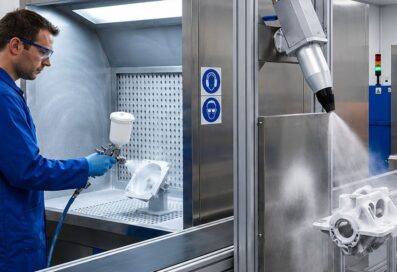


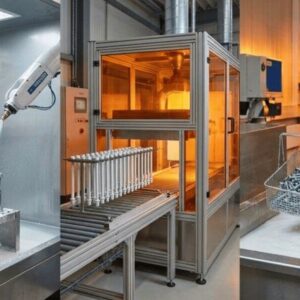
PTFE (Non-Stick) Coating
Applies fluoropolymer coatings to create a non-stick, low-friction, and chemically resistant surface.
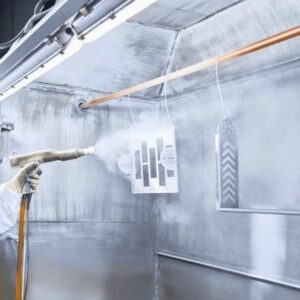
Ceramic Coating
This coating provides high-temperature resistance and wear protection.
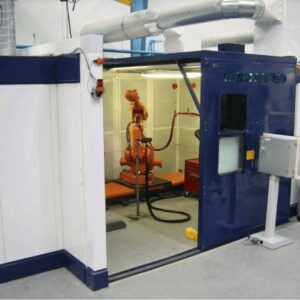
Thermal Spray Coating
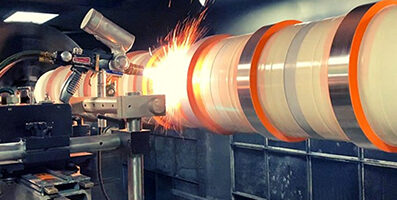
Molten or semi-molten materials are sprayed onto the substrate to form a protective coating.
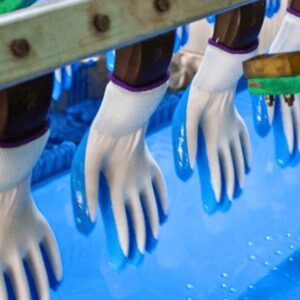
Rubber Lining
Applies rubber sheets or sprayable rubber to protect equipment from abrasion and chemical attack.
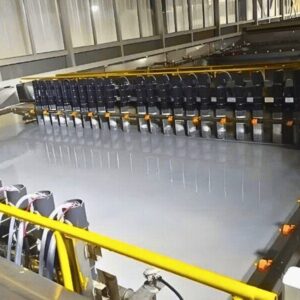
Electrophoretic Coating (E-Coat)
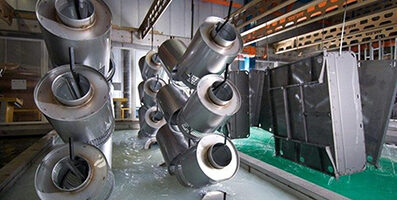
A water-based coating process where electrically charged paint particles are deposited onto conductive metal parts immersed in a paint bath.
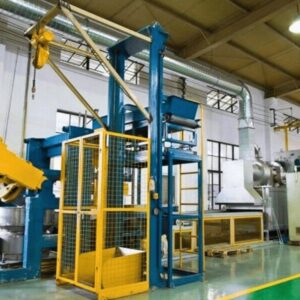
Zinc Flake Coating
A thin inorganic coating containing zinc and aluminum flakes for corrosion protection without electroplating.
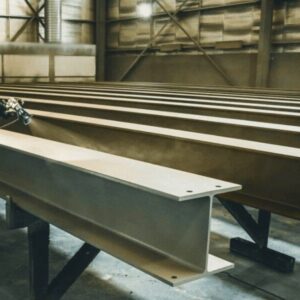
Anti-Corrosion Heavy-Duty Coating
Multi-layer coating systems designed for aggressive industrial and marine environments.
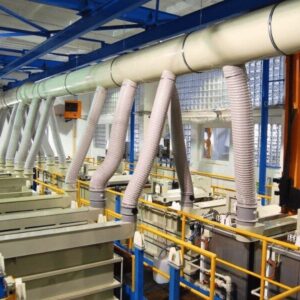
Chrome Plating System
Chrome plating is an electrochemical process that deposits a thin layer of chromium onto a metal substrate using direct current (DC) electricity and a chromium-based electrolyte. The resulting chromium layer provides exceptional wear resistance, corrosion protection, low friction, and an attractive metallic finish.
Chrome plating is available in two primary forms:
- Decorative Chrome Plating – Thin, bright coating primarily for appearance and moderate corrosion resistance.
- Hard Chrome Plating – Thick, engineered coating designed for wear resistance, dimensional restoration, and industrial performance.
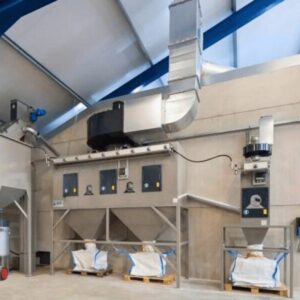
Surface Preparation System
Provides the required surface profile and cleanliness to maximize coating adhesion.
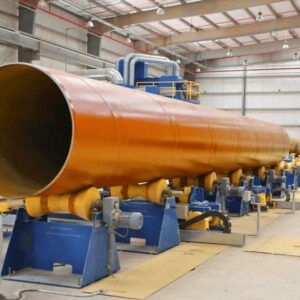
Material Handling System
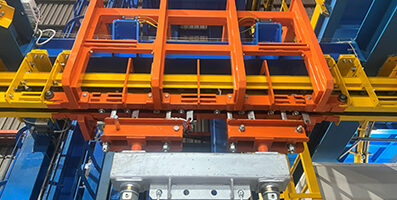
Transfers products safely through each coating stage.
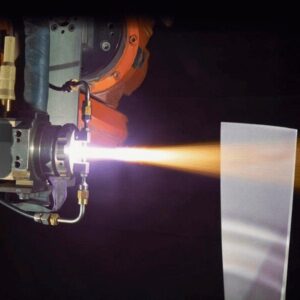
Special Coating Application Equipment
The coating application method depends on the coating type and required performance. These are the available tools we can offer.
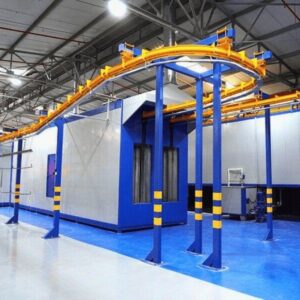
Curing / Sintering System
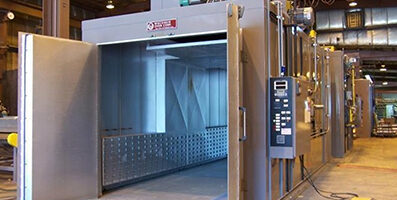
Some special coatings require controlled heating to achieve full performance.